

-
×
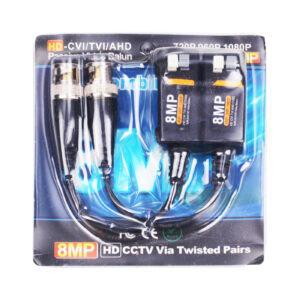 BNC VIDEO BALUN 8MP VIA RJ-45 CABLE AD-PS-373
1 × ₹100.00
BNC VIDEO BALUN 8MP VIA RJ-45 CABLE AD-PS-373
1 × ₹100.00 -
×
 USB WIRED GAMING OPTICAL MOUSE AD-UM-142
1 × ₹135.00
USB WIRED GAMING OPTICAL MOUSE AD-UM-142
1 × ₹135.00
Subtotal: ₹235.00

₹325.00 ₹400.00


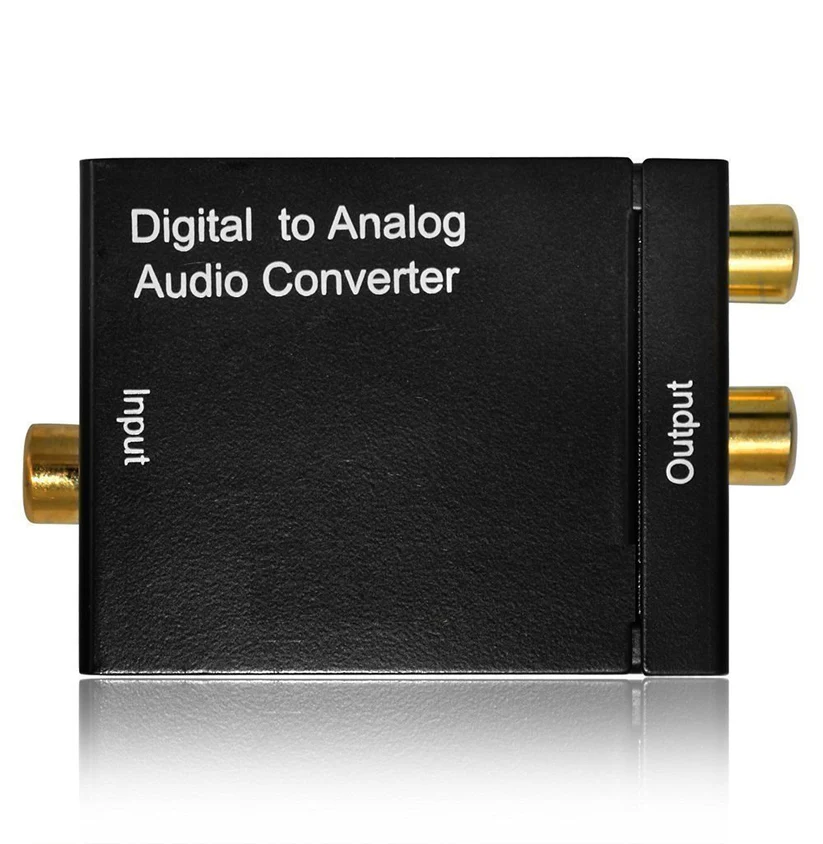
A digital to analog audio converter is a very special tool that helps turn computer numbers into real sounds you can hear. When we listen to music on a phone, watch a movie on a computer, or play a game on a TV, the sound does not start as sound. Instead, it begins as digital information—tiny numbers like 1s and 0s. Your ears cannot understand these numbers by themselves. You need something to change the numbers into smooth sound waves. That “something” is a digital to analog converter./ DCA converter
Inside every phone, tablet, laptop, TV, music player, and gaming console, there is a hidden chip called a dac converter. This tiny chip works very hard and very fast. It reads the digital numbers and turns them into real sound again. Without a digital to analog audio converter, your device would be completely silent. You would see videos and press play on songs, but no sound would come out.
Some people think sound just magically comes out of speakers. But in reality, it is the digital to analog converter working behind the scenes, turning digital code into smooth waves. Music lovers who want the best quality sometimes buy a strong external dac converter to get cleaner and clearer sound. That is because a big, dedicated digital to analog audio converter is usually much stronger than the tiny DAC inside a phone.
Imagine sound is like waves in the ocean. The waves come toward you smoothly and softly. But computers do not understand waves. They only understand numbers. So when a computer stores music, it breaks every wave into tiny digital pieces using numbers.
A digital to analog converter takes those pieces and puts them back together. The dac converter then makes the wave smooth and sends it to the speaker so your ears can hear it.
Here is the job of a digital to analog audio converter step by step:
The device gets a long list of numbers like 11001010 over and over. These numbers are stored inside a register—a tiny memory inside the dac converter.
This is the digital information your device uses to store sound.
Inside the digital to analog converter, there are tiny electrical parts like a resistor network that read each bit (bit means 0 or 1). Each bit is given a different weight. This means some bits are more powerful than others.
This is how the digital to analog audio converter knows how loud or soft a part of the sound should be.
After the bits are read, the dac converter adds all the weighted parts together. This creates a “step” shape. It’s almost sound, but still not smooth enough.
Think of drawing stairs instead of a slide. The stairs are like the early shape from the digital to analog converter.
The digital to analog audio converter uses a low-pass filter to make the stairs smooth like a slide. When the edges become round, the wave becomes a real sound wave.
Filters inside the dac converter are very important because real sound needs to be soft and smooth.
Now the digital to analog converter sends this smooth wave to your speaker, headphones, or amplifier. The speaker uses the wave to move the air, and that air movement becomes sound.
So every time you hear a song, watch a video, or play a game, a digital to analog audio converter is working extremely fast to turn numbers into waves.
Every phone and computer already has a small dac converter, but not all of them are very good. Some are very basic. They work, but they don’t make the sound the best it can be.
That is why people who really love music buy an external digital to analog converter. These standalone devices give much cleaner, smoother, richer sound.
Here is why external digital to analog audio converter devices sound better:
Jitter means the timing of the digital numbers is not perfect. A good dac converter keeps the timing steady so music sounds clearer.
Cheap DACs make small electrical noise. A high-quality digital to analog converter removes this noise so you hear only the music.
A strong digital to analog audio converter lets you hear soft instruments, tiny sounds, and deep bass clearly. Nothing gets lost.
Many headphones need more power. A big external dac converter can push more volume and clarity.
A premium digital to analog converter uses better parts, better filters, and better circuits. This makes the sound more realistic.
This is why audiophiles (people who love high-quality sound) always prefer a strong digital to analog audio converter.
Not only do we convert numbers into sound—sometimes we need to convert sound into numbers. That is when we use an analog to digital audio converter. The analog to digital audio converter takes real-world sound, like your voice, and turns it into digital numbers so a computer can store it or send it through the internet.
For example:
When you record your voice
When you make a video call
When you speak into a microphone
When you record music in a studio
All of this uses an analog to digital audio converter first.
So the analog to digital audio converter captures sound, and the digital to analog converter plays it back later. Both devices work together to make recording and listening possible.
To understand why one dac converter sounds better than another, you must learn two important words:
This decides how many loudness levels the digital to analog audio converter can create. Higher bit depth means it can create more detailed sound.
For example:
16-bit (CD quality)
24-bit (high resolution)
32-bit (very high resolution)
The bigger the number, the clearer the sound becomes.
This is how many times per second the digital to analog converter reads the sound wave. Higher sampling rate means smoother sound.
Examples:
44.1 kHz
48 kHz
96 kHz
192 kHz
The dac converter with higher sampling rates creates cleaner, more natural sound waves.
Here are some easy examples of when a digital to analog audio converter is working:
The digital to analog converter turns the movie’s sound into waves.
Your dac converter turns numbers into music.
All the effects—explosions, voices, footsteps—come from the digital to analog audio converter.
Speakers can only accept analog waves, so the digital to analog converter sends the right signal.
First the analog to digital audio converter records your voice. Later the digital to analog converter plays it back.
Here is all you need to remember:
✔ A digital to analog audio converter turns numbers into real sound.
✔ A dac converter is inside every device—phones, TVs, computers, and more.
✔ An external digital to analog converter gives better sound quality.
✔ An analog to digital audio converter does the opposite—turns sound into numbers.
✔ Bit depth and sampling rate decide how clear the sound will be.
Without a digital to analog audio converter, there would be no music, no videos with sound, no games with sound effects, and no speakers working at all.
| brands | AdNet |
|---|




There are no reviews yet.